
The Franklin University Project
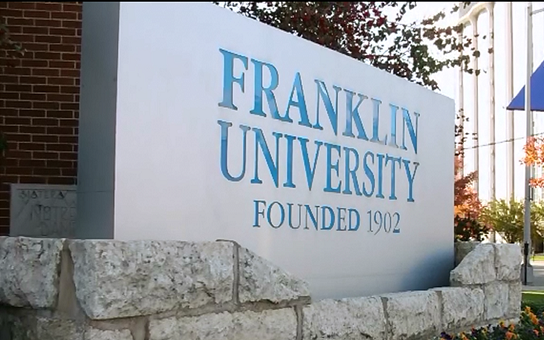
Back in 2008, I was attending Franklin University finishing up my Information Technology degree. The final requirement was to complete an interdisciplinary I.T. project as a team, ideally for the benefit of a non-profit. Typically I.T. capstone projects involved web and database because they require no external resources. However, since my job afforded me access to equipment, our team focused on a networking-centric project for the local chapter of the American Red Cross.
The result was Transportable Voice, Data, and Wireless Communications System for the American Red Cross of Greater Columbus. Since there were four team members, we named our fake “company” Quatro Consulting—which is why you see that name on the attached documents. The other authors have graciously granted their permission to post the document here.
In addition to the project write up, there was also a formal presentation. We took this a step further and arranged a working demonstration using borrowed equipment. The endeavor won us the “Best Student Project of the Year” at Franklin University in 2008, and was showcased along with winners from Ohio State University and DeVry University
 at the TechColumbus™ Innovation awards in February 2009.
So why share all this background?
The so-called “Franklin Project” was the beginning of what was to ultimately become the conversion of an existing vehicle to the Mobile Communications Center (MCC), which in turn, provided the motivation to create the DisasterCommOhio.org site you see today. But more importantly, it was the structured exercise of creating a formal documented plan that made it all happen.
Let’s say that again another way.
Effectively demonstrating the benefits and providing a documented plans made it easier for the host organization to understand what we wanted to do and why. This gave us credibility and allowed key leaders to feel more comfortable sponsoring our efforts, which in turn, led us to more project ‘phases’. Success has created more opportunities, and so on.
Technology projects also require sales and marketing. Unfortunately, it is tempting to skip this step. It is often more fun to engineer than to write, but our experience shows that providing all of the rigor of a business plan to your efforts will greatly improve your chances to get stuff done. Hopefully this example, and subsequent posts on the various phases of the project will help you as well.
We encourage your comments. Click below for the video presentation for the project.

- Log in to post comments